February 6, 2026
From Backyard to Biodiversity: Using Tree Identification for Ireland’s Native Woodland Restoration
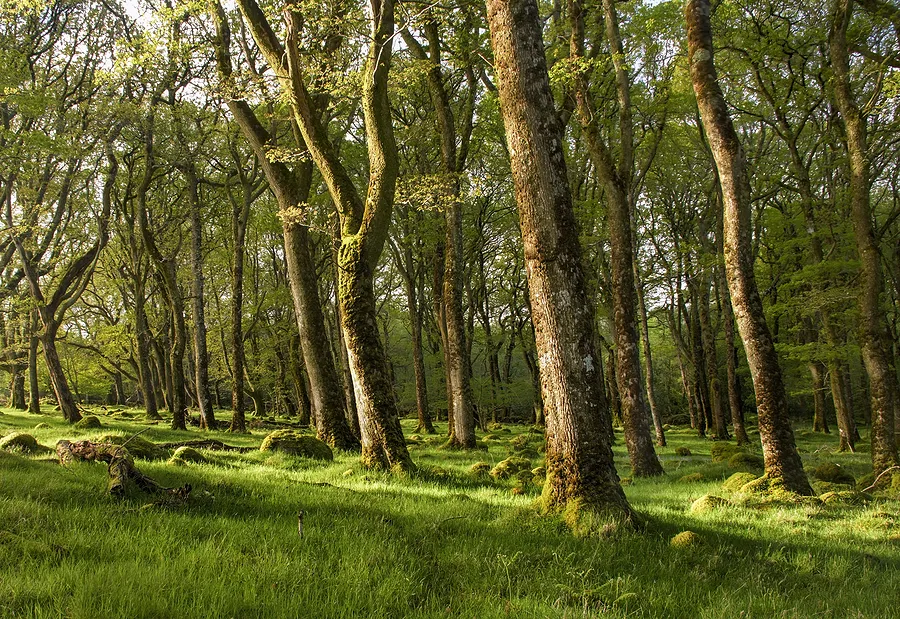
From the ancient oak woods of Derry to the hazel scrubs of Burren, Ireland has many mystical and historical woodlands to this day. In modern times, Ireland remains one of the least forested countries in Europe, making its ancient trees grow less and less remembered.
Even if commercial plantations have increased tree coverage in Ireland, our native woodlands—the true engines of biodiversity—remain fragmented. The journey towards restoration does not only happen in massive state projects, but it also begins in our gardens, our local parks, and in our backyards.
The Power of Tree Identification in Ireland
Why is tree identification in Ireland such a critical skill for our conservation? Well, to restore our ecosystem, we must first understand its components. Native trees are the foundation of our local foodwebs. For example, an English Oak (Quercus Rubur) can support over 2,000 species of insects, fungi, lichens, and mammals. In contrast, non-native species provide fewer benefits to our wildlife.
When you begin identifying different species in your own surroundings, you become an active steward instead of just being a passive observer. You’ll start to notice subtle differences between a native Downy Birch and an ornamental Silver Birch. You’ll begin to see where the invasive Laurel is choking out the native Holly. This knowledge allows you to make informed decisions about planting and land management.
Getting Started: Identifying Irish Trees
The process of identifying Irish trees is an experience every Irish person needs to experience. Identifying Irish trees requires looking at the texture of the bark, the shape of the leaf, and the structure of the winter buds. Our country’s native repertoire is relatively small, but incredibly distinct.
Our Native Oak (Quercus)
Known as the King of the Irish forest, there are two native species of the mighty oak, namely, the Sessile Oak and the Pedunculate Oak. The former is typically found in the poorer, more acidic soils in the west. You can identify these oaks by their acorns, which sit directly on the twigs.
The Resilient Rowan (Crataegus)
Also known as the Mountain Ash, this tree is the hero of biodiversity due to its creamy summer flowers that feed pollinators, and its bright red berries being a vital winter food source for birds like the Redwing. Identifying this tree is easy due to its feathered, pinnate leaves and smooth, grey bark.
The Ancient Yew (Taxus)
Being the link to Ireland’s prehistoric past, these long-leaved evergreens are often found in churchyards, but are a core part of our native woodland heritage. Their needle-like leaves are dark green, and they produce a red, berry-like structure called an aril.
Leveraging Technology: GeoTree and Modern Restoration
In the past, tree identification required heavy field guides and years of apprenticeship. While those methods are still valuable, technology has accelerated our ability to map and restore woodlands. This is where we, GeoTree, become indispensable.
We represent the intersection of arboriculture and digital innovation. We provide professional-grade tools for tree inventory and management. For people who are serious when it comes to tree restoration, using our system allows the precise mapping of existing specimens. When we map native trees, we create a data-driven blueprint for woodland expansion, and we can see where “mother trees” are located, allowing us to collect local provenance seeds for nursery growth.
For landowners and community groups, integrating our system into their workflow ensures that restoration is not just a hobby; hence, it becomes a documented, measurable contribution to our country’s Climate Action Plan. By tracking the health and growth of newly planted native saplings, we can ensure the highest survival rates and the greatest eventual biodiversity impact.
From Your Backyard to the Wider Landscape
Restoration doesn’t require a hundred-acre estate. If you have a small backyard, your role in tree identification in Ireland is still important. A single Hawthorn hedge can act as a “wildlife corridor,” and these corridors allow birds and insects to travel between larger pockets of woodland safety.
If you identify that your garden consists mostly of non-native ornamental pieces, you have a golden opportunity, because by replacing a dying Leylandii with a native Cherry or Rowan, you are plugging your backyard back into the Irish ecosystem. With this process, you are providing a “stepping stone” for nature.
The Challenges of Identification and Restoration
One of the biggest challenges in identifying Irish trees is the prevalence of naturalised species. Sycamore and Beech are so common that many assume they are native trees. While they have their own beauty, they do not support the same breadth of Irish trees like our native Hazel or Alder.
In addition, the threat of “ash dieback” has changed the landscape of Irish tree identification. The Ash Tree was once one of our most common hedgerow features, but now, identifying the signs of disease is as important as identifying the tree itself. Proper identification allows for the reporting of healthy specimens that might show natural resistance, which is vital for the future of the species.
Why Native Provenance Matters
When you use your identification skills to source needs, “provenance” is the keyword. A seed collected from an Irish Oak is better adapted to our wet, windy climate than an Oak seed imported from Central Europe. By identifying local native trees, we can ensure that our restoration efforts are genetically suited to the Irish environment. This increases the resilience of our new forests against the unfolding climate crisis.
Building a Community Identification
The beauty of tree identification in Ireland is that it is a shared journey. When you learn to recognise the edge of an Alder leaf, you can teach your neighbor a thing or two about it. When a community group uses our technology at GeoTree as their inventory for their local park, they create a sense of pride and ownership over their natural heritage.
Woodland restoration is an intergenerational gift. We plant the acorns today so our grandchildren can walk in the shade of giants. This process begins with a simple look at a leaf and a commitment to understanding the world around us.
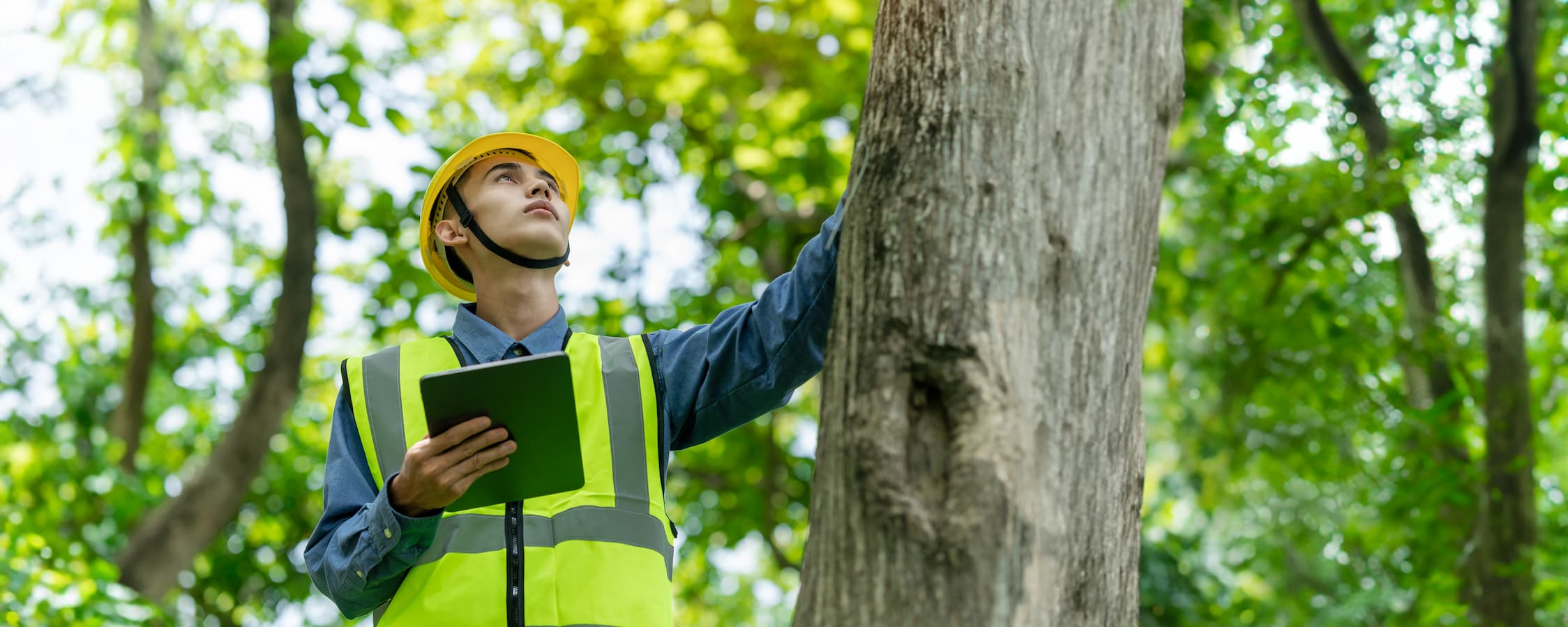
The First Step is to Look Upward
Our country’s journey towards a biodiverse future is well underway! The shift from “backyard to biodiversity” is fueled by curiosity and empowered by technology. Whether you are a casual walker or a dedicated conservationist, mastering the skills of identifying Irish trees is the most meaningful way to connect with the landscape.
By combining traditional knowledge with modern tools like GeoTree, we can transform our fragmented green spaces into a thriving, connected canopy. The trees are waiting to be recognised, and all you have to do is step outside, look up, and begin the work of restoration, one leaf at a time.
The future of Ireland’s native woodland is in your hands, and even in your backyard.
More Blog Posts from GEOTREE...