February 12, 2026
The Beginner’s Guide to Identifying Irish Trees in Every Season
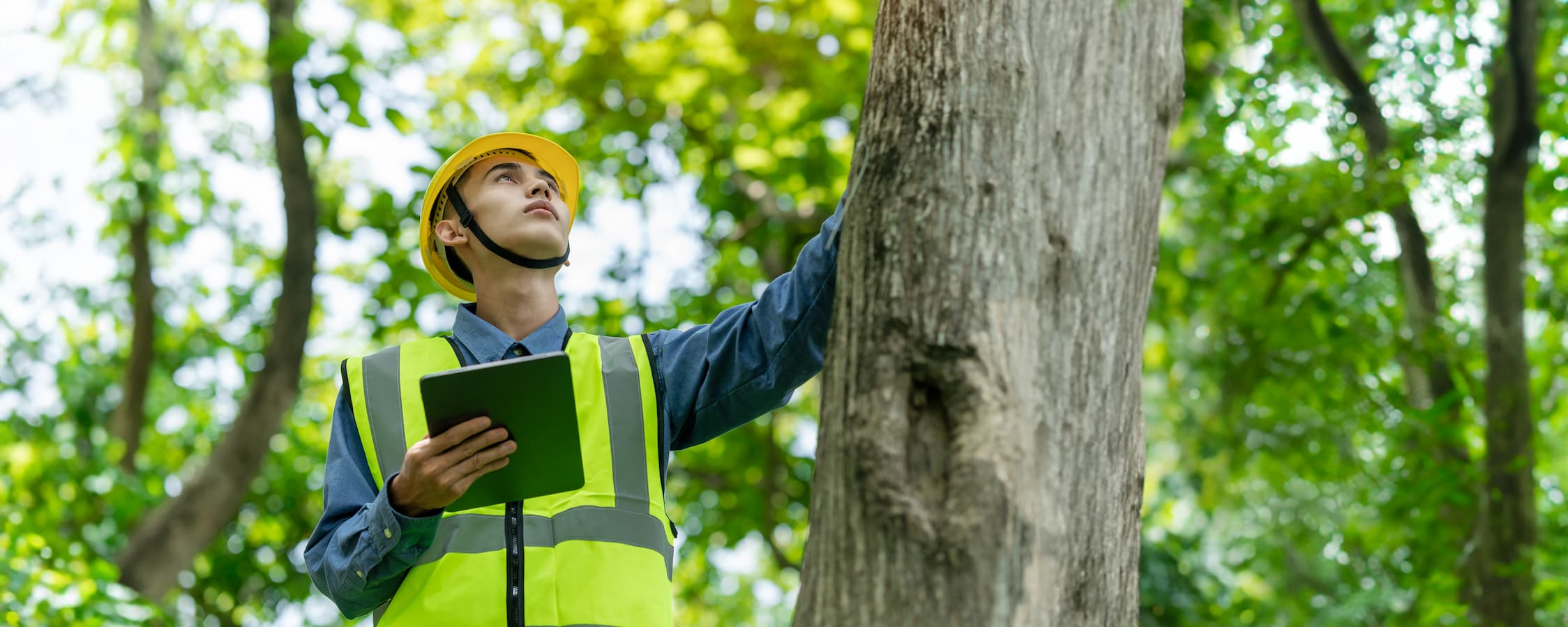
Learning the art of identifying Irish trees allows you to be more connected to nature—even when you’re just walking to a park or hiking in a national forest, recognising and identifying trees adds a new layer of enjoyment to your typical outdoor adventures.
Tree identification is not just a “one type of season” activity; hence, it can be done every season, but with a different and unique set of clues. In this article, we will guide you on how to master tree identification in Ireland, ensuring you can name our native giants, whether they are covered in leaves or standing bare against a winter sky.
Spring: The Awakening
Spring is the season of subtle transformation. In March and April, the trees begin to stir from their deep winter slumber. During this season, flowers and emerging leaves are your primary identification tools.
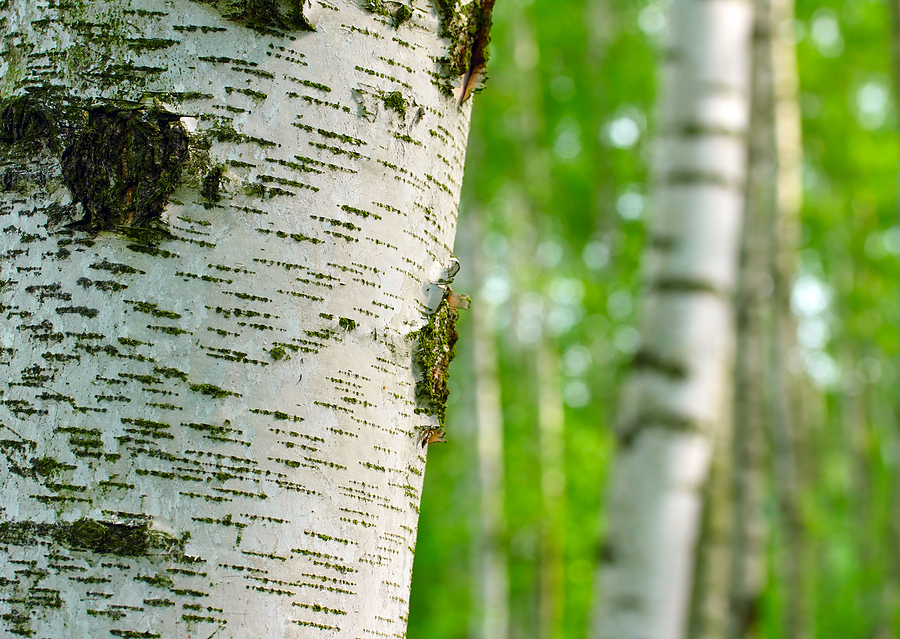
The Birch Tree is often the first tree to show signs of life during springtime. You can identify the Silver Birch by its papery white bark and the drooping “catkins” that hang from its branches. Another springtime tree is the Alder, which usually grows near the water. To identify this tree, you have to look for small, woody cones that look like miniature pinecones remaining from the previous year alongside new purple-tinged buds.
The star of the late Irish spring is the Hawthorn, also known as the “May Tree.” This tree explodes into a sea of white blossoms, and its leaves are deeply lobed and vibrant. If you see a hedgerow turning white in May, it is almost certainly a Hawthorn.
Summer: A Canopy of Leaves and Fruits
Summer is the easiest time for tree identification in Ireland. The full canopy provides plenty of evidence. To identify a tree during summertime, you will have to search for leaves because they are the most reliable way to distinguish species during this season.
The Oak is Ireland’s most iconic tree, and you can recognise it, especially the Sesile Oak, by its stalkless acorn and leaves with wavy margins. In contrast, the English Oak has acorns on long stalks. The Rowan, or fondly called the Mountain Ash, is also easy to spot during summertime. Its features are compound leaves made up of several small leaflets, and by late summer, the Rowan is heavy with clusters of bright red berries.
The Sycamore tree is another tree that can be identified during the summertime. While not native, it is widespread across the Irish countryside, and you can identify it by its large, five-lobed leaves that look like a hand. In summer, its winged seeds, known as “helicopters,” begin to form and hang in heavy hunches.
Autumn: A Riot of Colour
Autumn is also a perfect time for identifying Irish trees based on their fruit and changing leaf colours, because as the days shorten, the landscape shifts into shades of gold, bronze, and crimson.
The Beech tree provides one of the most beautiful displays during springtime. Its leaves turn into a rich, copper brown and often stay on the tree well into the season. In addition, you can find “beech mast” or small, prickly husks containing nuts, scattered onto the forest floor. The Horse Chestnut is also a favorite for autumn identification, because of its massive, palmate leaves that turn yellow, and the iconic “conkers” fall in their spiked green cases.
Winter: Silhouettes and Bark Patterns
For many beginners when it comes to tree identification in Ireland, the winter season is the most daunting for searching and recognising trees. But we have a pro-tip, especially during the winter season: if there are no leaves, you can identify the tree based on its “skeleton,” focusing on bark texture, twig patterns, and bud shapes.
The Ash tree is the easiest to identify during the winter. It possesses distinct, soot-black buds that grow in opposite pairs along the twigs. Even from a distance, the upward-curving tips of Ash branches can be a giveaway. The Beech is also recognisable during wintertime because of its smooth, grey bark that looks like elephant skin. Its buds are long, slender, and pointed, often described as “cigar-shaped.”
The Scots Pine, one of our few native conifers, remains green all year long. You can identify it by its orange-toned upper bark and its needles, which grow in pairs. Winter is the best time to appreciate the rugged silhouette of a Scots Pine against a cold sunset.
Why Tree Identification Matters
Tree identification matters because it fosters a sense of stewardship. When you can name a tree, you are more likely to care about its preservation. Ireland has one of the lowest rates of forest cover in Europe, and protecting our native species like Hazel, Holly, and Willow is essential for biodiversity.
Trees provide habitats for countless birds, insects, and fungi. The Oak alone supports hundreds of different species. By learning tree identification in Ireland, you become an advocate for these vital ecosystems.
Tools to Help You Succeed
To begin identifying trees in Ireland, you can have a pocket guide or a mobile app that can assist you with leaf shapes. A magnifying glass is also helpful for looking at buds during the winter. Most importantly, you need a sharp eye and a keen attention for details.
If you are a landowner or a developer looking to manage trees on a larger scale, you can contact us at GeoTree because we provide specialised tree surveys and mapping. We ensure that trees are not just identified, but also properly protected during construction and land use changes.
The Final Word
Every season in Ireland offers a unique experience and different perspectives on our woodland heritage. From the black buds of the Ash in winter to the white blossoms of the Hawthorn in spring, there is always something to discover. Identifying Irish trees is a lifelong hobby that grows with you. Each walk in the woods becomes a lesson in natural history.
For those interested in the technical side of mapping these species, we at GeoTree offer professional insights into tree management and surveying. Understanding where these trees are located and how they are recorded is a vital part of Irish arboriculture.
More Blog Posts from GEOTREE...