March 4, 2026
The Hiker's Guide to Irish Trees Identification

Ireland’s lush landscape comprises rugged mountains, rolling hills, and ancient greens. For the modern hiker, the experience of the trail is greatly enriched by understanding the history of the scenery. While Ireland was once almost entirely covered in forests, its woodlands are a precious and growing resource that requires careful stewardship.
Ireland’s Noblest Woodlands
Whether you are traversing the Glendalough Valley or exploring the Wild Nephin, being able to identify our native species connects you to Ireland’s heritage. This guide will help you recognise the “nobles of the wood,” while highlighting that professional Irish Tree Management is essential for their survival.
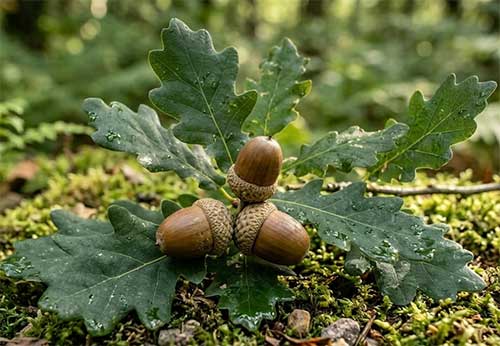
1. The Sessile Oak - The King of the Woods
The Oak is one of the most iconic symbols of the Irish Forest. As you hike through older woodlands, look for its distinctive lobed leaves.
- Identification Tip: The Sessile Oak is Ireland’s national tree. Unlike the English Oak Tree, its acorns do not have stalks (they are “sessile”), but its leaves do.
- Management Note: In the context of Irish Tree Management, protecting ancient oak trees is a priority. These trees support over 400 species of insects and lichens, making them the backbone of forest biodiversity.
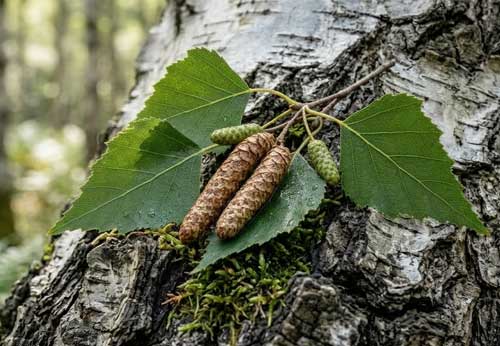
2. The Silver Birch - The Pioneer of the Hills
Often found on the edges of bogs or climbing the lower slope of the mountains, the Silver Birch is a “pioneer” species. It is one of the first trees to colonise open land.
- Identification Tip: Look for the striking, papery white bark and small, triangular leaves that shimmer in the wind. Its branches often have a graceful, drooping habit.
- Woodland Context: Birch is vital to the natural regeneration of Ireland's woodlands. It improves soil quality, paving the way for slower-growing species like oak and holly to take root.
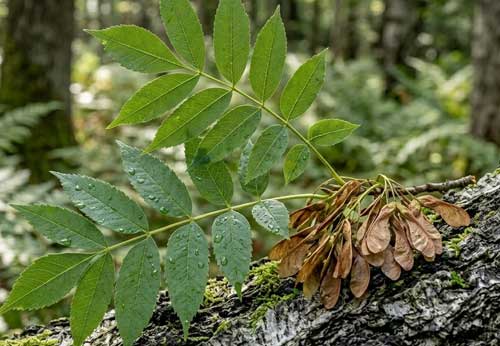
3. The Common Ash - The Athlete’s Tree
Historically used for making hurlies for Hurling, the Ash is a common sight in Irish hedgerows and limestone regions like the Burren.
- Identification Tip: During the winter, the Ash tree is easy to spot because of its soot-black, velvety buds. In summer, leaves are compound, meaning many small leaflets grow along a single stalk.
- A Growing Challenge: Today, Irish Tree Management is heavily focused on the challenge of the Ash Dieback. Professional arborists like GEOTREE and foresters work to identify resilient strains to ensure this culturally significant tree remains part of the Irish landscape.
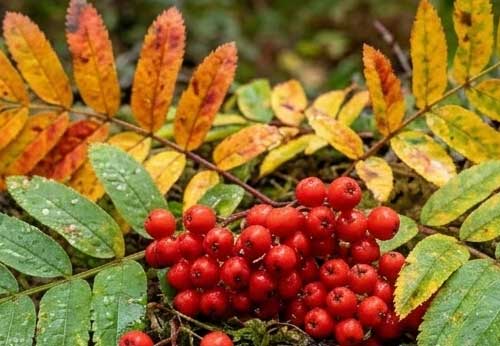
4. The Rowan - The Mountain Ash
True to its nickname, the Rowan is a survivor frequently found at higher altitudes where other trees struggle.
- Identification Tip: In late summer, Hikers will easily spot the Rowan’s cluster of brilliant red berries. Its leaves are similar to the Ash but smaller and with serrated edges.
- Heritage: In Irish folklore, the Rowan is often planted near homes to ward off evil spirits. Today, it remains a vital food source for birds in our upland forests.
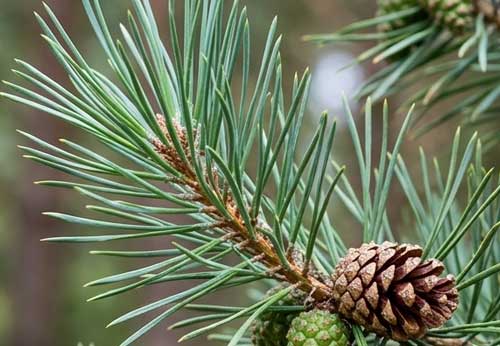
5. The Scots Pine - Our Native Evergreen
Though many conifers in Ireland are commercial imports, the Scots Pine is a true native that was once thought to be extinct here before it was rediscovered.
- Identification Tip: Hikers should look for its orange-red upper bark, which glows in the setting sun. Its needles grow in pairs and have a distinct blue-green hue.
Why Identification Matters in Conservation
As a hiker, recognising these species is the first step toward advocating for the protection of Ireland’s forests. Currently, the woodlands of Ireland cover about 11% of the country, with native woodland making up a tiny fraction of that. Expanding this cover requires more than just planting it; hence, it requires a scientific approach to tree health and land use.
At GEOTREE, we bridge the gap between the beauty of the forest and the precision of modern science. Effective Irish Tree Management relies on accurate data. Through our advanced GIS mapping and arboricultural consultancy surveys, we help landowners and developers make informed decisions that protect these important ecosystems.
Leave No Trace and Look Ahead
The next time you lace up your boots and plan to have a nice hike in our woodlands, take a moment to look upwards and reflect. The trees you see are not just background scenery; they are a vital infrastructure for our climate and culture. By supporting sustainable management practices, we ensure that the “Valley of the Birches” and “The Plain of the Oaks” remain more than just names on a map.
If you are a landowner looking to restore a native woodland or a developer needing a professional tree survey, explore our services at GEOTREE. Together, we can ensure the future of Ireland’s forests is as vibrant as its past.
More Blog Posts from GEOTREE...